

Behind the Story

may contain spoilers
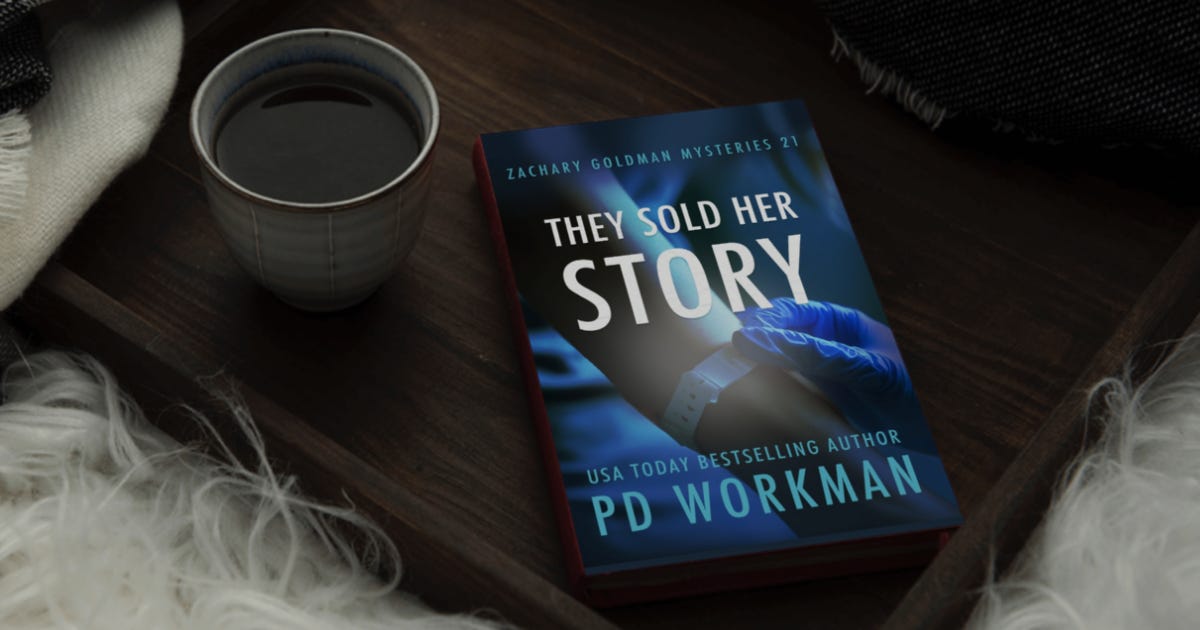
They Sold Her Story started with a question:
What if someone went into rehab to get better… and disappeared instead?
Before beginning my research, I was familiar with AA and some of our local residential programs. What I didn’t expect to find was how, in some places—particularly in parts of the United States—addiction treatment has become a billion-dollar industry exploiting the vulnerable.
As I researched, I uncovered patterns that were both complex and disturbing: deceptive recruitment, inflated billing, “ghost clients,” and systems designed to maximize profit by intentionally offering or administering drugs to patients in recovery. In California, fifty percent or more of treatment charges are believed to be fraudulent.
One detail struck me with particular force: These systems don’t just use people. They use their stories, their identities.
To pass audits, fabricated clients need believable identities. And sometimes, those identities are built by copying the lives of real patients—real struggles, real histories, their unique experiences—reused again and again.
That idea became the core of this book.
They Sold Her Story is about what happens when identity itself becomes a commodity.
It’s also the most intense case Zachary Goldman has faced. His connection to addiction through his brother gives him insight—but it also makes this investigation personal. For the first time, he goes deep undercover, placing himself inside a facility where nothing is what it seems.
This case tests him in new ways. Not just physically, but psychologically. He’s manipulated, drugged, and is called on to use everything he has to survive and uncover the truth.
At its heart, this story is about betrayal; what happens when the people we trust to heal are the ones doing harm.
And about the cost of reclaiming a story that was never meant to be taken.